

If you’ve ever lodged your BAS and thought, “Surely we should be getting more back than that?”, you’re not alone.
For a lot of Australian business owners, GST refunds feel random. Some quarters you get a healthy refund, other quarters you pay the ATO, and sometimes you’re owed money but it never shows up because something small (but critical) has been missed.
The good news is, most “missing GST” issues come down to a handful of fixable problems, like the wrong GST code, no valid tax invoice, or claiming outside the time limit.
This guide explains GST credits and refunds in plain English, and gives you a practical checklist to help you claim what you’re entitled to and avoid the mistakes that trigger ATO follow-up.
What are GST credits and why do they matter?
GST credits (also called input tax credits) are the GST amounts you can claim back on eligible business purchases.
If you’re registered for GST, you generally:
- collect GST on sales (reported on your BAS), and
- pay GST on business expenses (which may be claimable as GST credits).
When you lodge your BAS, the ATO compares the two:
- If you collected more GST than you paid, you’ll usually need to pay the difference.
- If you paid more GST than you collected, you may be entitled to a GST refund (or a credit that can be used against other ATO debts).
This matters because GST credits are real cash flow. In a tight quarter, missing legitimate credits can hurt more than people realise.
Key benefits of claiming GST credits properly
- Improved cash flow, especially when expenses spike or sales dip
- Less risk of BAS errors and amended activity statements later
- Cleaner bookkeeping for your accountant at EOFY
- Fewer surprises if the ATO checks your refund or asks questions
- Confidence your numbers are real (not just “whatever the software said”).
Who can claim GST credits?
You can claim GST credits if you are an Australian business that:
- is registered for GST
- lodges BAS monthly or quarterly
- uses software like Xero/MYOB/QBO (or a spreadsheet that’s doing its best)
- has any complexities like:
-
- staff or contractors
- mixed purchases (business and private use)
- regular reimbursements
- high-value supplier invoices
- seasonal trade (tourism, hospitality, events, construction).
If you’ve ever had a smaller-than-expected refund, a delayed refund, or needed to amend BAS, this will help.
How to claim GST credits and get your refund in 7 steps
1. Confirm the purchase is actually claimable
You generally can’t claim GST credits if:
- there was no GST included in the price (GST-free items or suppliers not registered for GST)
- the purchase was for private use
- the purchase relates to input-taxed activities (industry-specific, but common in some finance/property situations).
If a purchase is partly business and partly private, you claim the business portion only.
2. Make sure you have the right evidence
This is where most refunds leak. To claim GST credits, you need proper records and, in many cases, a valid tax invoice.
We previously outlined the core tax invoice details the ATO expects (including supplier identity/ABN, date, description, GST amount, etc.).
Two 2026 rules to keep front-of-mind:
- If a purchase is more than $82.50 (incl. GST), you must have a tax invoice to claim the GST credit.
- For tax invoices $1,000 or more, the invoice must also show the buyer’s identity or ABN.
Also, if you request a tax invoice, the supplier generally has 28 days to provide it.
3. Code transactions correctly in your software
Usually, accounting software are fast, but they’re not a BAS agent, so pay attention to GST codes.
Common coding issues we see:
- expenses coded as “GST” when they’re actually GST-free
- wages/super/loan repayments incorrectly treated as GST claims
- bills posted without attaching the tax invoice (so evidence is missing later)
- purchases coded to the wrong GST category (especially with mixed-use items).
If the coding is wrong, your BAS is wrong, even if everything “looks reconciled”.
4. Watch out for expenses where GST credits aren’t allowed
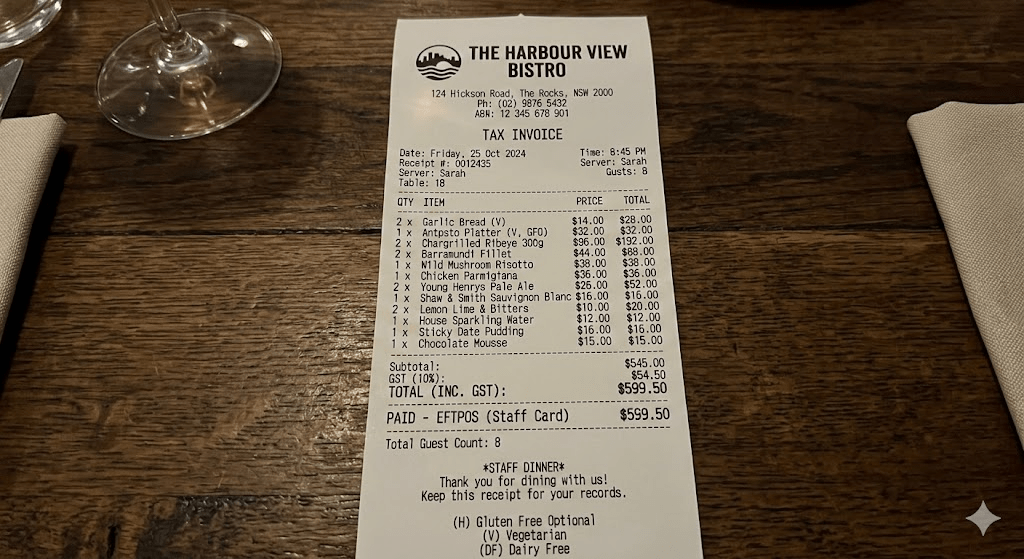
A classic example is entertainment and certain staff benefits.
KBAS has flagged this clearly in past guidance: GST credits can only be claimed where the cost is tax-deductible, so if you can’t claim it as a deduction, you generally can’t claim the GST credit either.
This catches businesses out around:
- staff parties and entertainment
- certain gifts
- mixed staff/client functions.
5. Claim within the 4-year time limit
This is the big one in 2026. There is a 4-year credit time limit on GST credits and refunds.
In practical terms, if you find old missed GST credits in your file clean-up, you may still be able to claim them, but only if you’re inside the entitlement window.
6. Lodge on time
BAS due dates depend on whether you lodge monthly or quarterly. Late BAS can create compounding problems.
If due dates fall on a weekend or public holiday, lodgment/payment is generally allowed on the next business day.
And yes, penalties are real. Penalty unit values and indexation can change over time, so it’s worth staying current, especially if BAS lodgements have been late.
7. What to expect after you lodge (refund timing and holds)
If your BAS results in a credit, refunds are often processed within a standard timeframe, but two things can change what happens next:
Refund offsetting
If you have other ATO debts, the ATO may use your credit to pay those first, so you won’t see cash hit the bank.
Refund checks / verification
Refunds can be retained while they are checked. If you’re expecting a refund and nothing arrives, it’s usually one of:
- bank details not up to date
- outstanding BAS/lodgments
- offset against another debt
- refund held for verification.
Common “GST refund killers” for Australian small businesses
GST rules are consistent across Australia, but the way small businesses operate creates predictable GST traps.
Hospitality and tourism
Lots of GST-free vs taxable purchases mixed together (and seasonal swings that change refund patterns)
Construction and trades
Big tool/equipment buys, progress claims, and subcontractor invoices where missing tax invoices can wipe out credits quickly
Mobile businesses
Vehicles/phones/internet often have mixed business/private use, so you need a consistent method for claiming only the business portion.
If your books are behind and you’re “catching up later”, the 4-year rule becomes the make-or-break issue.
The Bottom Line
Most GST refund problems aren’t “ATO problems”, they’re bookkeeping and evidence problems.
If you want to claim what you’re owed in 2026, focus on:
- correct GST coding
- valid tax invoices (especially over $82.50 and $1,000+)
- claiming within the 4-year time limit
- clean reconciliations before BAS time
If you’re not confident your BAS is capturing everything (or you suspect you’ve missed credits in past periods), KBAS can review your GST setup, clean up the file, and make sure you’re claiming correctly, without the late-night BAS scramble.
Call KBAS on 07 5408 7400 or contact us to book a chat.